
Most new patients meet your practice on Google before they ever hear your front desk. They see your stars, your hours and a review about a painful extraction, answered or not. BizLoc8 keeps that first impression accurate and well kept, for one office or a whole dental group.
Good clinical work does not rank by itself. These are the gaps we see most.
Someone with a cracked tooth on a Saturday does not compare websites. They tap the first practice in the map pack that looks open and has a decent rating. If your profile says "Closed" or never mentions emergencies, they book across the street and may stay for a decade.
Dental reviews are personal. "It hurt more than they said." "Surprise charge after my cleaning." "They were patient with my anxiety." Each needs a careful reply. Confirm that the reviewer is a patient, or mention their treatment, and you have a bigger problem than one star.
Thanksgiving week, the day after Christmas, a Monday the office closes for staff training. If Google still shows regular hours, patients drive over to a locked door and write about it.
A general dentist, two associates, a visiting orthodontist, a pediatric day on Thursdays. A new office opens with zero reviews and half-filled services. Insurance questions pile up in the Q&A because nobody listed the plans you accept.
Our view: reply to every review, and keep every reply boring in the right way. Thank the person, keep it general, move the real conversation to the phone. Never confirm they were in your chair. (This is a practical habit, not legal advice. Your compliance advisor has the final word.) BizLoc8's AI drafts the reply, your office manager edits or approves it, and you can post approved replies in bulk across locations. If you want the longer version of how to handle the harsh ones, we wrote up what we learned from reading negative Google reviews.

Set special hours for Thanksgiving or a training day across every office in one edit instead of logging into each profile. Same for descriptions and other fields that drift. The profile health score points out which locations are missing services, photos or a proper description. Our guide to updating holiday hours on Google covers the timing.

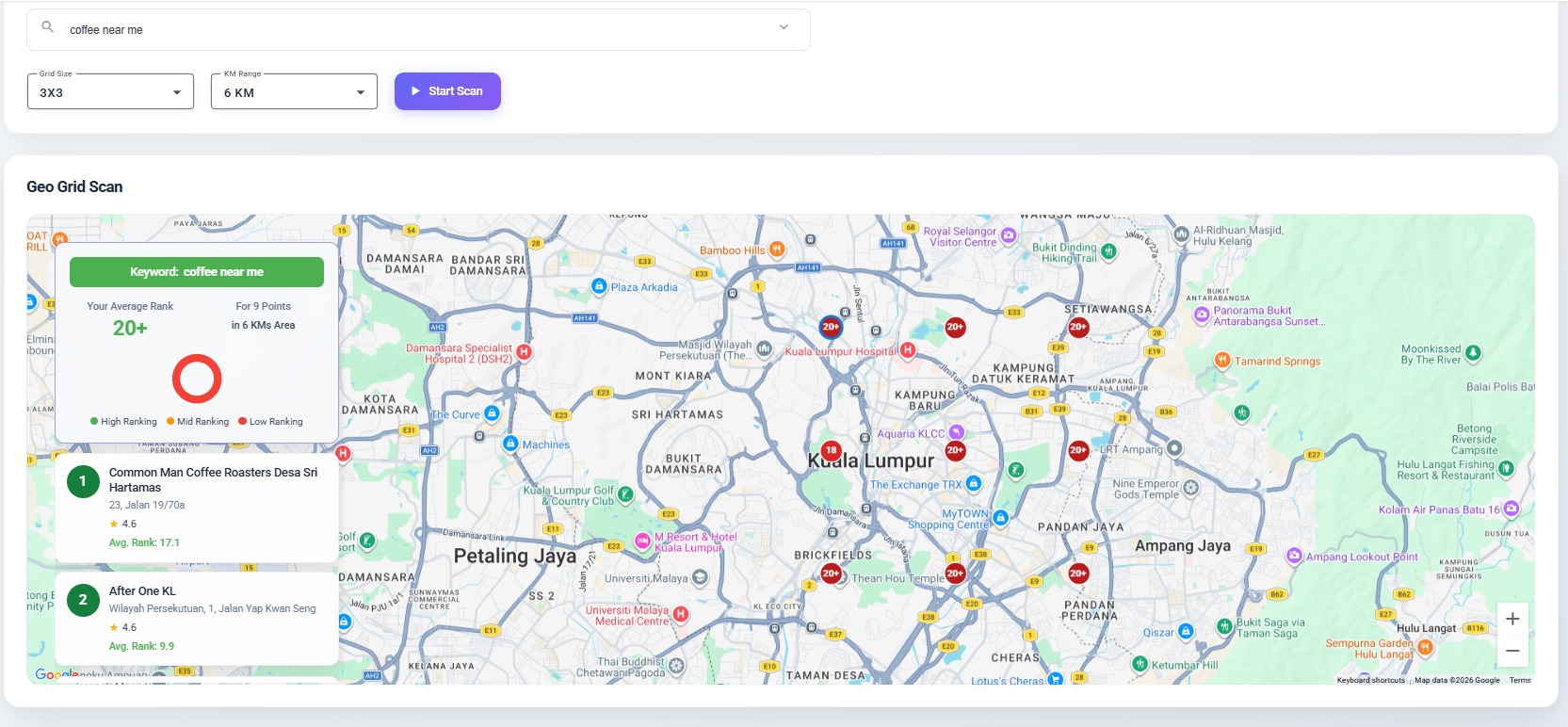
Near me results shift with the searcher's location, so you might own the blocks around your office and vanish a few miles out, right where the new subdivision is. A geo-grid scan checks your Maps position from a grid of points (3x3 up to 11x11) and ranks every competing practice it finds with its own grid. Track "emergency dentist", "pediatric dentist" or "Invisalign" separately.
Plenty of unhappy patients say nothing. They just don't rebook, or they vent online weeks later. Give each office its own QR code at checkout and they have a quiet place to say "the wait was 40 minutes" or "nobody explained the bill." Responses go to a private complaints dashboard, sorted by location, with AI sentiment so the angry ones rise to the top. Your team replies and logs what was done.

Less profile housekeeping, fewer surprises, a clearer picture of where new patients come from
Hours that are right on holidays, services that include emergencies and kids' dentistry, insurance details in the description.
Every review gets a calm, general answer that a human signed off on. No reply reveals who was treated or for what.
A new location gets the same profile, posts and review care as your oldest office, and the geo-grid shows whether it is gaining ground.
Some patients now ask ChatGPT, Gemini or Perplexity for a dentist. GBP plans include a small allowance of AI prompts, and our AI Visibility product shows whether those engines mention your practice and which sources they cite.
Running a larger medical group with dental as one department among many? Our healthcare page covers hospitals, clinics and labs. For the general picture of how we approach Google Maps across many locations, start with BizLoc8 Local SEO.
Get a free audit of your practice's Google Business Profile. We'll show you where you rank, how your reviews and replies read to a new patient, and what to fix first.
Common questions from dentists, practice managers and dental groups