
Local SEO is evolving rapidly as we approach 2026. New technologies and consumer behaviors are reshaping how local businesses get found online.
In this post, we'll explore five key local SEO trends – from voice search to AI and Google's latest Search Generative Experience – and how they impact local businesses and multi-location brands. Each section includes tips to help you stay ahead of the curve, with a friendly, informative tone. Let's dive into the trends:
1. Voice Search Optimization
Voice search isn't just a buzzword – it's changing the way people find local businesses. Over half of consumers (58%) have used voice search to find information about local businesses. Whether it's asking "Where's the nearest coffee shop?" or "What time does the pharmacy close?", more people are turning to Siri, Alexa, and Google Assistant for quick answers. This means optimizing for voice search is becoming essential in local SEO.
Why It Matters
Voice queries tend to be longer and more conversational than typed queries. For example, a typed search might be "pizza delivery Delhi", while a voice query might be "Which pizza places deliver near me right now?". Voice searches often include "near me" and question phrases (who, what, where, how) – and they often expect instant, locally relevant answers.
Did You Know?
58% of consumers have used voice search to find information about local businesses. Voice search is becoming essential for local SEO success.
How to Optimize for Voice Search
Use Natural Language Keywords
Incorporate long-tail, conversational phrases in your content (e.g., include common questions and phrases customers might say out loud).
FAQ Sections
Add an FAQ section on your website targeting frequent voice questions (e.g., "What are your store hours on weekends?"). Position the question in a heading and answer it clearly in the text that follows.
Optimize for Featured Snippets
Voice assistants often pull answers from featured snippet results. Structure some content to directly answer popular questions about your business or industry in a concise way.
Keep Your Listings Updated
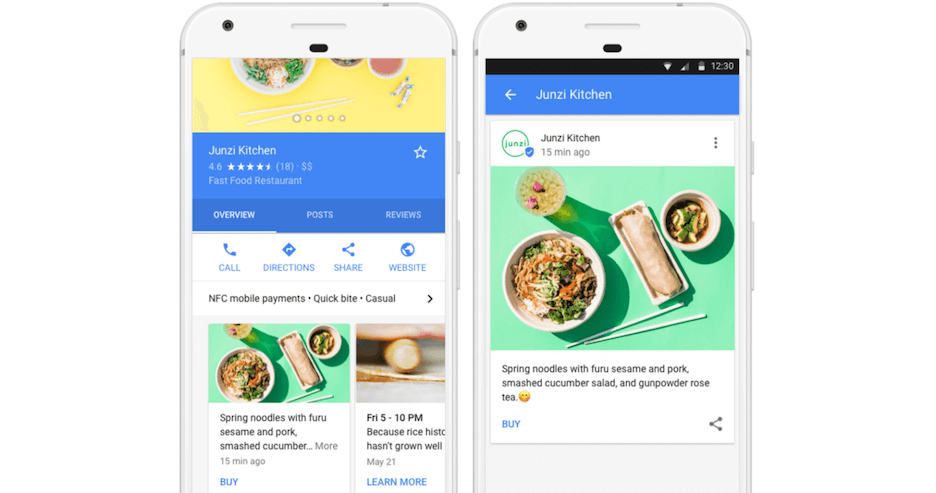
Ensure your Google Business Profile and online listings have accurate, up-to-date info (address, hours, phone). Voice assistants frequently use this data to answer local queries. Real-time listing sync tools can help maintain consistency across platforms.
Pro Tip
Don't forget mobile voice search. According to Google, 27% of the global online population is using voice search on mobile devices. A mobile-friendly site with fast load times and clear information will improve your chances of being the source of a voice assistant's answer.
2. AI-Generated Local Content
Artificial intelligence is transforming content creation. In 2026, local businesses are leveraging AI to generate localized content at scale – think product descriptions tailored to each store, local landing pages, or even blog posts about community events.
This trend is growing as the technology improves. In fact, 54% of content marketers report using AI to generate content ideas, though only a small percentage currently use AI to write entire articles. We can expect those numbers to climb as AI tools become more sophisticated.
Why It Matters
Keeping up with content for multiple locations is challenging. AI-generated content can help businesses produce relevant, unique material for each location faster and more efficiently. For example, an AI tool can help a restaurant chain create slightly different descriptions for each location's homepage, highlighting local customer favorites or neighborhood-specific details.
This level of localized content can boost local search rankings and engage customers with more personalized information.
How to Leverage AI for Content
Local Landing Pages
Use AI to draft location-specific landing pages (including localized keywords and neighborhood information) for each of your business locations. This can improve your visibility in local searches.
Content Ideas and Drafts
AI can brainstorm blog topics or social media posts related to local events, seasonal trends, or customer questions. You might use AI to generate a first draft and then have a human polish it to ensure it's accurate and on-brand.
Speed and Scale
With AI, you can produce more content in less time – useful for updating holiday hours across all location pages or generating unique descriptions for hundreds of products in different cities.
Maintain Quality Control
Always review AI-generated content for accuracy and tone. Combine the efficiency of AI with human oversight to ensure your content remains helpful and authentic.
BizLoc8 Tip
Modern local SEO platforms like BizLoc8 have begun integrating AI content features. These tools can assist in generating SEO-friendly local content (from blog posts to business description updates), helping businesses keep their sites fresh without overwhelming their team.
3. Hyper-Personalized Local Experiences
Generic marketing is out – personalization is in. Today's consumers expect businesses to know their needs and tailor experiences accordingly. According to McKinsey, 71% of consumers expect personalized experiences, and 76% express frustration when they don't get them.
In a local context, this means customers appreciate when a business's website, ads, or emails reflect their location and preferences. Hyper-personalized local experiences involve using data and AI to deliver content or offers that feel hand-picked for each customer and each locale.
What This Looks Like
A multi-location retailer might use a customer's past purchases and location to recommend products available at their nearest store. Or a local salon's website might highlight different services on the homepage depending on whether the visitor is a new customer or a returning one, using cookies or account data.
Even small touches, like greeting a user with their city name ("Welcome back, Jane in Mumbai!"), can make the experience more personal.
Benefits of Personalization
When done right, personalization increases engagement, conversion rates, and loyalty. Shoppers are more likely to act on offers that align with their interests. A clear benefit is revenue – websites with personalized content drive 40% more revenue on average (as per McKinsey research).
For local businesses, personalization can drive more foot traffic and online orders by showing people what's most relevant to them at their nearest location.
How to Create Hyper-Personalized Local Experiences
Leverage Customer Data
Use purchase history, loyalty program data, or browsing behavior to segment customers and tailor messages. For instance, a cafe could send different promo codes – one for morning coffee regulars and another for lunchtime visitors.
Location-Based Targeting
Take advantage of geolocation. Show users content specific to their city or neighborhood. If you have multiple stores, automatically detect the nearest store and display its inventory or upcoming events.
AI-Driven Recommendations
AI algorithms can analyze user behavior and suggest products ("You might like this") or content ("Here's info on service X since you searched for related services"). This can be implemented on websites or email campaigns.
Dynamic Website Content
Consider tools that dynamically change website elements based on the user. For example, a home page banner that changes to feature local weather-related products when it's raining in that user's region.
BizLoc8 Tip
Platforms like BizLoc8 support personalization by syncing real-time location data and customer reviews across all your listings. Coupled with AI, this ensures that when someone in a specific locale interacts with your brand, they see up-to-date, locally relevant information – creating a more personalized experience.
4. Smarter Reputation Management with AI
Online reviews are the lifeblood of local business reputation. It's not just about collecting reviews; it's about managing and responding to them effectively. Nearly 90% of customers expect businesses to respond to their online reviews, and many expect that response quickly.
A positive reputation (and responsive customer service) can heavily influence whether someone chooses your business over a competitor. In 2026, AI is playing a bigger role in smarter reputation management – helping businesses monitor, analyze, and even respond to reviews at scale.
Challenges
If you have dozens or hundreds of reviews coming in across Google, Yelp, Facebook, etc., it's tough to keep up. Customers might leave feedback at any hour. A single negative review left unanswered can sour public perception, while a timely, thoughtful response can actually turn a bad situation into a good impression.
For multi-location brands, the volume is multiplied, and consistency in responses becomes a concern (you want all your locations to uphold the same customer service standards).
How AI Can Help Manage Reviews
Automated Alerts
AI-powered tools monitor incoming reviews across platforms and alert you (or your team) instantly, especially for negative ones. This ensures no review goes unnoticed.
Sentiment Analysis
Advanced tools use AI to gauge the sentiment of reviews (positive, neutral, negative) and even extract key themes. For example, an AI might flag that many reviews mention long wait times at a particular location, helping you spot issues quickly.
Response Suggestions
Some platforms use AI to draft response templates. They can suggest a polite reply to a five-star review ("Thank you for your kind words!") or formulate an apology and corrective action plan for a low-star review. You can then personalize it further and post, saving time while still sounding human.
Review Automation
With AI, businesses can automate certain types of responses. For instance, instantly thanking a customer for a positive review, or routing a complex complaint to the right manager with a suggested response prepared.
Maintaining Authenticity
While AI can draft responses, it's important to review them to ensure they fit your brand voice and genuinely address the customer's comments. Authenticity matters – a personalized touch in responses can show customers you truly care. AI should be seen as an assistant to speed up the process, not a complete replacement for genuine engagement.
BizLoc8 Tip
BizLoc8 offers review automation features that integrate AI. It can notify you of new reviews in real time and even help auto-generate responses to common feedback. This helps busy local businesses stay on top of their online reputation, responding promptly to customers and keeping their brand image positive across all locations.
5. Google's Search Generative Experience (SGE)
Google is introducing AI directly into search results through its Search Generative Experience (SGE). SGE uses generative AI to answer search queries in a conversational way, right within the search results page. Instead of just the traditional list of links, Google can provide an AI-generated summary or answer, with citations to sources.
This experimental feature (expected to roll out more broadly by 2026) could be a game-changer for SEO – including local SEO – as it changes how users interact with search results.
What Is SGE Exactly?
Imagine a user searches for "best family-friendly restaurants in downtown Chicago". With SGE, Google might display a brief AI-written overview naming a few restaurants and why they're recommended, pulling information from various websites and reviews, all before the user even clicks a link.
For local searches, SGE might combine details from Google Business Profiles, online reviews, and relevant articles to give an instant answer. Brands investing in AI search visibility will have a significant edge. It's like having a mini concierge on the search page.
Why Local Businesses Should Care
If Google's AI is summarizing answers, getting your business information into that summary is key. It means having accurate, crawlable information online – on your website and listings – so that Google's AI considers it. It also means that traditional SEO practices (like ranking in the top results) remain important, because SGE often cites those top sources in its answers.
The good news is many marketers are optimistic: 75% of marketers believe AI-enabled search engines will positively impact their blogs and traffic, versus only 9% who worry it could hurt traffic. In other words, most see SGE as an opportunity if leveraged correctly.
Statistics
75% of marketers believe AI-enabled search engines will positively impact their blogs and traffic. SGE represents an opportunity for businesses that adapt correctly.
How to Adapt to Google's SGE
Keep Your Content High-Quality and Relevant
Google's AI will draw from content it trusts. Continue creating useful, locally focused content (like local guides, FAQs, and blog posts) that establishes your business as an authority in your area.
Structured Data and Schema
Implement schema markup (such as LocalBusiness schema, FAQs schema, etc.) on your site. Structured data helps search engines (and their AI) understand your content and business details more clearly, increasing the chances of being featured in AI summaries.
Maintain Your Google Business Profile
This has always been crucial for local SEO, and even more so with SGE. Ensure your business profile is complete with up-to-date information, good photos, and recent reviews. SGE will likely use this info for answering local intent queries (like hours, address, ratings).
Monitor SGE and Adapt
SGE is new and evolving. Keep an eye on how your business appears in these AI-generated answers. For example, if you notice the AI summary mentions certain attributes (like "affordable" or "vegan options available"), you'll know what content or reviews Google is picking up on.
Encourage customers to leave detailed reviews and make sure your site mentions key selling points, so the AI has rich data to pull from.
Staying Ahead
While SGE will provide quick answers, users can still click through to see more details. If your business is mentioned in an AI summary, it's a win – but you also want to be the place they click for the full answer. By focusing on accurate information and quality local content, you increase your chances of being both referenced by the AI and chosen by the user for more info.
Summary: Thriving in 2026's Search Landscape
In summary, local businesses and multi-location brands should watch these five trends to thrive in 2026's search landscape. Voice search requires a conversational optimization approach, AI can turbocharge your local content creation, hyper-personalization can win customer hearts, AI-driven reputation management keeps your online image shining, and Google's SGE will reward those who provide trustworthy, relevant info.
By adapting to these trends – and leveraging tools (like BizLoc8 with its AI content generation, review automation, and real-time listing sync capabilities) – you can enhance your local visibility and connect with customers in smarter, more meaningful ways.
Here's to your local SEO success in 2026 and beyond!
Ready to Stay Ahead of Local SEO Trends?
BizLoc8 helps you adapt to these 2026 trends with AI-powered content generation, automated review management, and real-time listing synchronization. Get started today and future-proof your local SEO strategy.
Related Articles